The Expenses of H2O Destruction: Prevention and Restoration Tips
Water damage is a silent enemy that can cause massive disruptions on your home and finances if not addressed promptly. From concealed leaks to sudden floods, the consequences of water intrusion can lead to significant structural issues, mold growth, and expensive repair efforts. Understanding the underlying expenses associated with water damage is essential for homeowners who want to protect their property and make informed decisions about how to avoid issues and recovery.
In this article, we will explore what to immediately do after water damage happens, common causes, and the important function of expert recovery services. We will also delve into the importance of quick action and provide advice on how to avoid future water damage. By being forward-thinking and knowledgeable, you can safeguard your property and minimize the lasting effects of water damage. Let us uncover the full guide to managing these challenges effectively.
Immediate Steps Following Water Damage
If water damage occurs in your home, the first step is to guarantee everyone's safety. Turn off the electricity to affected areas to prevent energy-related hazards. If it is safe to do so, shut off the main water supply to stop additional damage. Make sure to wear protective gear such as gloves and boots to avoid contamination and injury from any debris or pollutants.
As soon as the immediate dangers have been addressed, assess the level of the damage. Document the situation by taking images and making a list of affected areas and items. This documentation will be crucial for insurance claims and should include pictures of damaged walls, floors, and personal belongings. If possible, move any valuables or important documents to a dry area to prevent further loss.
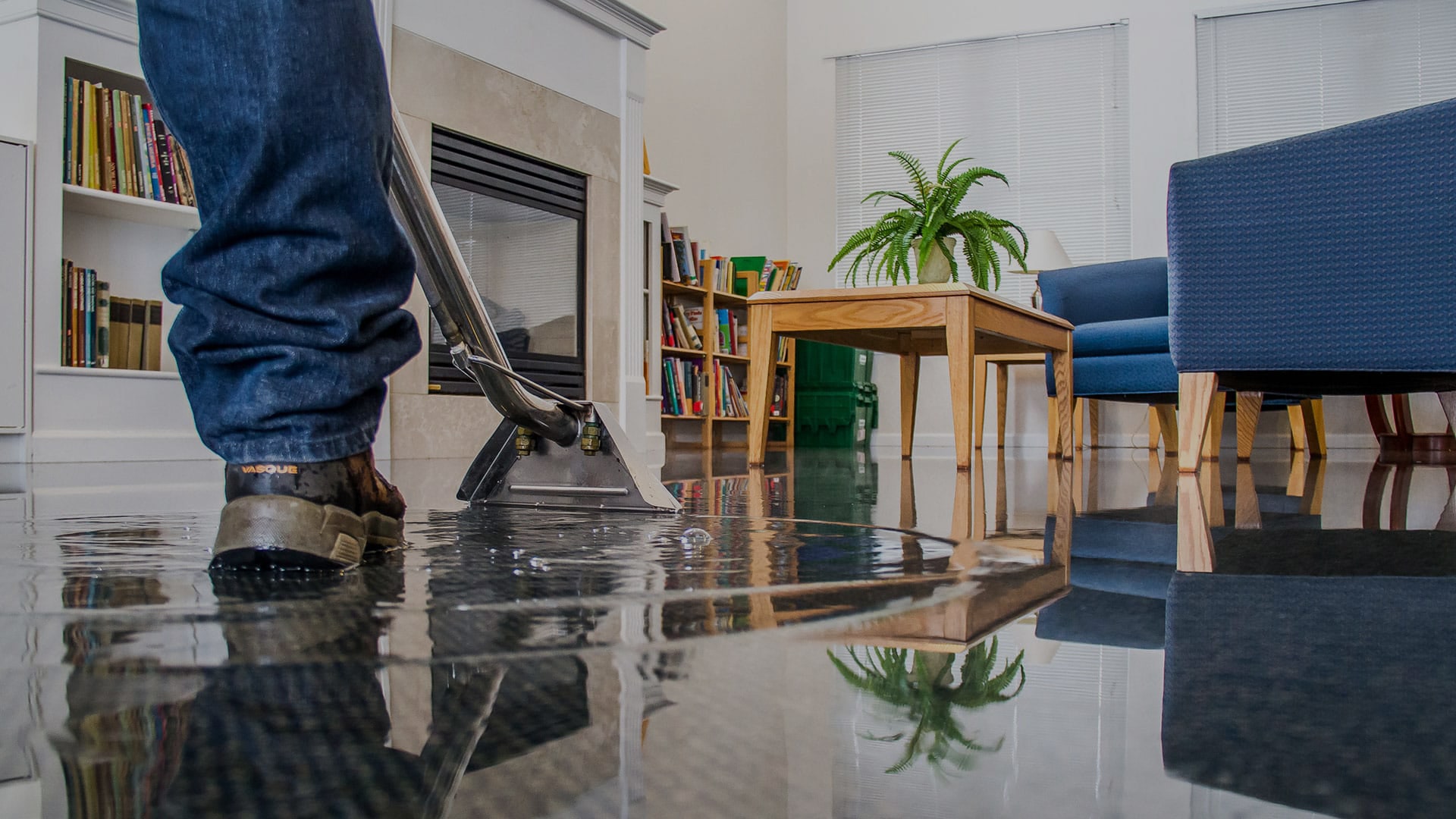
Finally, start the water removal process as soon as you can. Use buckets to remove standing water. Increasing air circulation by opening windows and using fans will help the drying process. If the damage is extensive, it’s wise to contact a professional water damage restoration company. They have the gear and expertise to effectively handle the situation and minimize long-term damage.
Understanding Water-Related Damage Recovery
Water damage recovery is a crucial method which includes the elimination of moisture, dehumidifying, and rehabilitation of a building influenced by water intrusion. It is imperative to act swiftly after damage from water occurs, as untreated issues can lead to more harm and mold development. The restoration process typically starts with a comprehensive inspection to assess the scope of the harm, followed by liquid removal and dehumidification. Effective rehabilitation not only addresses obvious water damage but also focuses on concealed dampness that can jeopardize the integrity of the property.
The process of restoration of water damage often demands technical know-how and gear. Specialized water damage restoration companies own the resources necessary for quick removal and moisture removal, including industrial-grade driers and fans. These experts also understand the necessity of logging the harm for insurance claims and can guide homeowners through the claims process. A rapid act is essential, as long-term contact to wetness can lead to further issues, such as mold development and structural deterioration.
Property owners should be conscious of typical causes of water damage, such as burst pipes, leaking roofs, and flooding. Understanding these hazards enables preventive steps to prevent damage caused by water from occurring in the first place. In alongside taking preventing actions, comprehending the restoration process and identifying when specialized support is required can save property owners time, expenses, and stress in handling the consequences of damage due to water.
Avoidance Approaches for Imminent Water Damage
To reduce water damage in your home, routine inspections and maintenance are crucial. Check for drips in plumbing and fixtures, as well as indications of wear and tear. Make sure Find more info is well-maintained and diverting water away from the foundation. Inspect your roof for lost shingles or deterioration, and fix any issues without delay to prevent leaks.
A different effective strategy is to invest in high-quality appliances that reduce the risk of water damage. Opt for washing machines, dishwashing appliances, and water heaters with built-in leak detection systems. In addition, consider installing sump pumps and drain systems in susceptible flood-prone areas of your home, which can provide supplementary protection during heavy rainfall or snowmelt.
Finally, educate your family members on emergency procedures and how to shut off the water supply if a leak occurs. Keeping an emergency kit that includes necessary tools for quick repairs can also conserve time and mitigate damage. These forward-thinking measures can significantly minimize the risk of forthcoming water damage and safeguard your investment in your home.