The Cool Factor: What You Need to Know Prior to Setting Up An Air Conditioning Unit
Opting to install air conditioning in your home is a significant step toward enhancing comfort, especially during the sweltering heat of summer. With numerous options available today, navigating the air conditioning installation process can appear overwhelming. However, by understanding the essentials, you can make informed decisions that not only enhance your living environment but also increase the value of your home.
In this complete guide to air conditioning installation, we will discuss everything you need to know—from recognizing the signs that it’s time for a fresh system to choosing the right type of air conditioner for your specific needs. Visit website 'll explore the benefits of qualified installation, common errors to avoid, and how to best prepare your home for this enhancement. Whether you are considering central air, ductless systems, or newer, energy-efficient systems, we are here to help you transform your space into a comfortable haven.
Signs It is Time for a Replacement AC
Recognizing when it is time for a replacement air conditioner could save you from enduring uncomfortable heat and high energy bills. One significant sign is if your current system has been over 10 years old. Air conditioners typically possess a lifespan of 10 to 15 years, and as they age, they grow less efficient, resulting in increased cooling costs and more frequent repairs. If your unit has been nearing the end of its lifespan and you find yourself requesting repairs often, this is a strong indication that a replacement may be needed.
Additionally obvious sign that your air conditioning system needs to be replaced would be if it is no longer cooling your home effectively. If you see inconsistent temperatures across different areas or hot spots that your AC fails to cool down, this could signify a significant drop in performance. Additionally, you might find that the unit operates continuously but fails to achieving the desired temperature, which can lead to higher utility bills and increased wear on the system.
Lastly, unusual noises or unpleasant odors emanating from your air conditioning unit are warning signs. If you hear loud banging, hissing, or grinding sounds, these could indicate serious mechanical issues that are likely too costly to repair. Unpleasant smells, such as a burning or moldy odor, may point to mold growth or other significant problems within the system. If you encounter these issues, it is time to think about investing in a new air conditioner to ensure comfort and safety in your home.
Selecting the Best AC System
As picking an air conditioning unit for your residence, it's important to assess your individual needs and desires. Start by considering the size of your space and the weather in your location. A larger house in a hotter environment may need a robust central air system, while smaller areas or cooler environments might suit ductless mini-split units. Evaluating your comfort needs and possible energy consumption will lead you towards a suitable choice.
Energy efficiency is another key factor when choosing an AC unit. Seek out units with elevated Seasonal Energy Efficiency Ratio (SEER) ratings, as these will provide better cooling efficiency while consuming less electricity. Purchasing energy-efficient units can significantly lower your utility bills over time, making it a smart long-term decision. Additionally, think about features like smart thermostats that improve your unit's efficiency and convenience.
Lastly, don't overlook the significance of setup and upkeep. Professional installation ensures that your new AC system functions effectively and safely. It’s also advisable to talk with HVAC experts who can recommend the most suitable systems that fit your home's layout and insulation. Routine maintenance after installation will prolong your unit's lifespan and ensure it operates at maximum efficiency. Following these measures will help you reach an educated choice that suits your way of living and financial plan.
Preparing for Installation
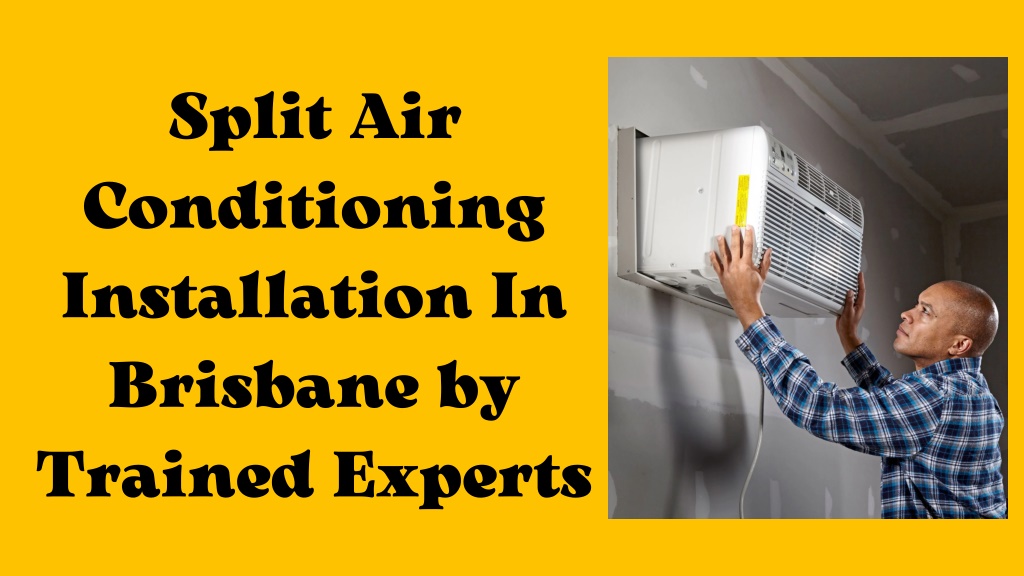
Before the installation team arrives, it’s important to get ready your home to ensure a hassle-free process. Start by removing the space around the installation site, whether it's a central air unit or a ductless mini-split. Clear away any furniture, vegetation, or barriers that could impede entry. This not only helps the installers but also protects your belongings from potential harm during the installation.
Afterward, consider the details of your home and your household’s needs. In case you have any pets, make arrangements to place them in a secure, calm area away from the setup area. Additionally, it’s crucial to inform the setup team of any pre-existing issues with your current unit, such as noisy operation or irregular temperature control, so they can address them properly while fitting the replacement unit.
Finally, check that you have all required permissions if needed by your local regulations. Familiarize yourself with any guidelines set by your homeowner's association if applicable. Being https://graph.org/Cool-Comfort-Steps-to-Installing-Your-Fresh-AC-Unit-System-07-01 can reduce wait times and make the entire installation procedure more efficient, laying the groundwork for you to enjoy the advantages of your latest air conditioning system.