Sustainable Living: Tips for Minimizing Your Footprint
In an age where sustainability challenges are at the center of global discussions, the notion of zero waste living has emerged as a powerful campaign for reducing our impact on the planet. It motivates individuals and communities to rethink their spending habits, aiming to lessen waste and encourage sustainable practices. From easy changes at home to comprehensive waste management solutions for businesses, embracing a zero waste mindset can lead to noticeable reductions in landfill contributions and a more sustainable environment.
Recognizing the value of effective waste management is crucial not just for individuals, but for businesses as well. Ineffective waste management can have harmful impacts, both environmentally and monetarily. As we move through modern waste management solutions, we will discover practical tips and strategies to promote a more sustainable lifestyle, including recycling programs, composting, and waste audits. Whether you are just starting your journey or seeking advanced techniques to enhance your waste management practices, this guide will give you with essential insights to help you play a role to a more sustainable planet.
Robust Trash Handling Methods
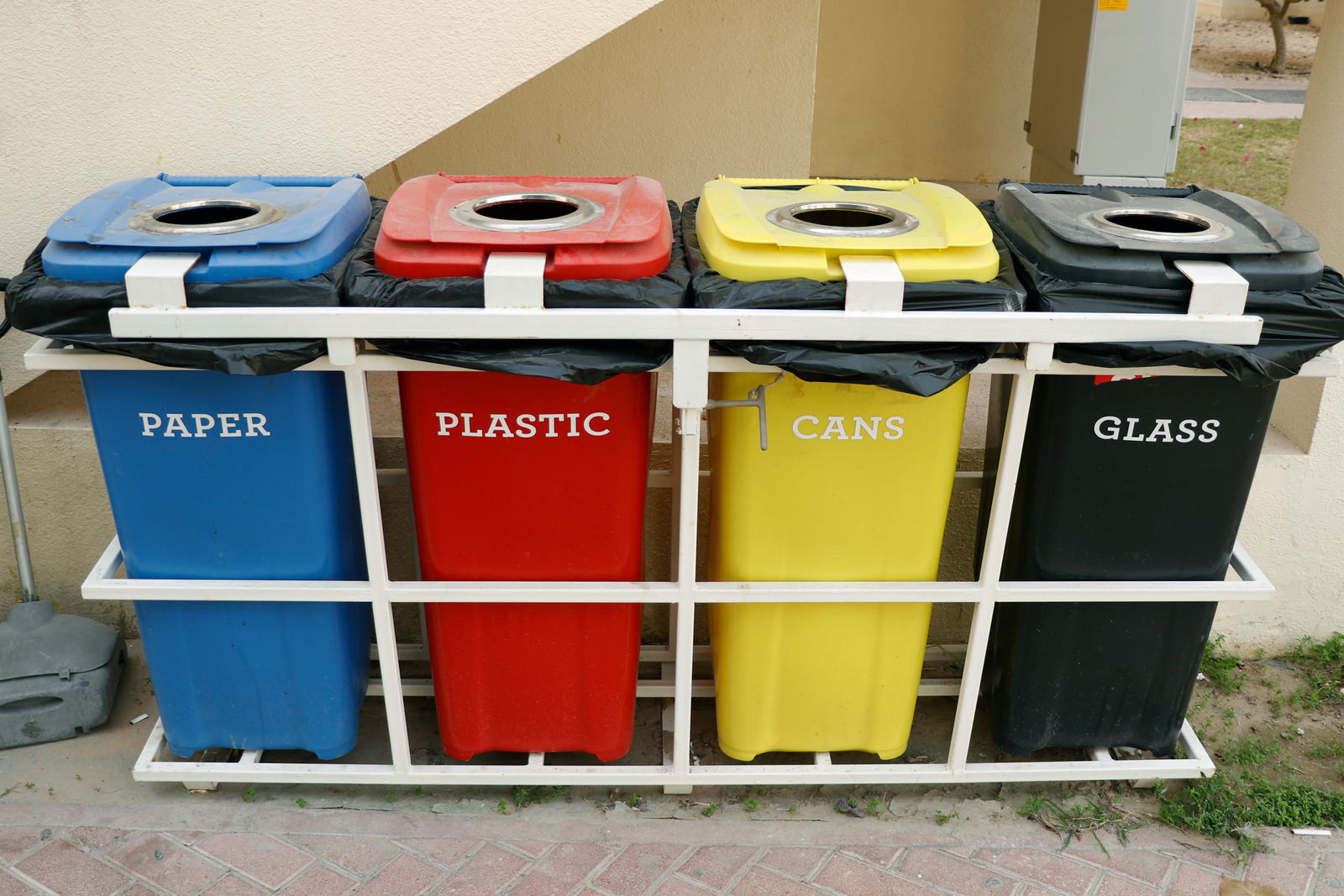
Implementing efficient trash handling methods is essential for reducing ecological effects and enhancing asset use. One of the fundamental steps is grasping refuse segregation, which can significantly reduce contamination in recyclables flows. By separating recyclable items, compostable materials, and disposal refuse at the source, individuals and businesses can enhance the quality of recyclable materials and reduce the sheer amount of trash sent to dumps. This action not only helps the environment but also renders recycling procedures more productive and more expensive.
Another critical technique is performing frequent waste evaluations. Recognizing what types of trash are produced and in what quantities can provide important information into where advancements can be introduced. Refuse assessments help reveal areas where trash can be minimized, whether through limitation, recycling, or composting. By examining refuse patterns, entities can formulate more specific waste minimization programs and ensure adherence with applicable refuse disposal standards.
Harnessing technology also plays a key function in current refuse management systems. From connected receptacles that provide immediate information on refuse levels to apps that teach people about reclamation policies, technology can simplify waste pickup and management operations. Additionally, advancements in waste treatment technologies can improve recycling rates and convert refuse into beneficial materials, thus fostering the function of refuse disposal in a recycling economy and reducing overall environment footprint.
The Nature-related Impact of Refuse
Waste generation substantially impacts the environment, contributing to contamination and the reduction of natural resources. Dump sites, which house a large portion of this refuse, emit dangerous gases such as methane, a potent greenhouse gas that exacerbates climate change. Additionally, a toxic runoff produced from decomposing waste can taint soil and water sources, endangering local habitats and public health. As waste collects, it disturbs habitats, leading to a loss of biodiversity.
Ineffective waste management practices only exacerbate these issues. When reusable materials end up in landfills, important resources are squandered, and more energy is necessary to create new items from raw materials. This process of consumption leads to deforestation, water shortage, and increased carbon emissions. In addition, toxic waste such as chemicals and electronic waste presents severe threats to both the ecosystem and people's well-being if not managed appropriately, causing long-term impacts for communities and environments.
The issue of managing waste efficiently is vital not only for ecological but also for financial health. By committing to more effective waste management practices, businesses and communities can diminish their natural impact. Adopting recycling, composting, and sensible disposal methods establishes a more closed-loop economy, where materials are reused and repurposed, reducing waste at all stage. This change is necessary for protecting our planet for those to come.
Green Strategies for Trash Reduction
Adopting sustainable solutions for refuse minimization is essential for businesses and people and businesses seeking to reduce their carbon impact. One successful strategy is to concentrate on waste segregation. By clearly dividing trash into recyclables, compostable items, and mixed waste, families and institutions can greatly boost their recycling rates and make certain that materials are handled efficiently. This method not only facilitates proper recycling but also encourages a culture of responsibility regarding waste generation among participants members involved.
Another effective approach is the adoption of sustainable packaging materials. Choosing packaging that are biodegradable, can be recycled can greatly minimize the amount of waste generated. Businesses should explore collaborating with providers who value green packaging, as this not only minimizes refuse but can also draw to eco-friendly consumers. In addition to this, teaching customers about the importance of correct waste disposal methods can foster a highly engaged community that enthusiastically contributes in lessening refuse.
Utilizing technology can additionally optimize trash handling procedures. https://graph.org/Composting-Fundamentals-Convert-Your-Organic-Waste-into-Rich-Soil-03-24 , such as using sensors in bins to monitor refuse volumes or deploying apps that offer advice on reducing trash, can streamline operations and increase effectiveness. Moreover, conducting regular refuse assessments can aid spot areas for growth, guaranteeing that trash handling approaches are constantly refined. By integrating these sustainable practices, people and institutions can assist to a better world while also reaping potential savings through reduced trash management costs.