Basement Waterproofing Basics: Essential Actions for a Moisture-Free House
An sealed basement is crucial for maintaining a clean and protected home environment. Without effective waterproofing, your basement can become a breeding ground for mildew and humidity, leading to health hazards and structural damage. In this guide, we will investigate all you need to know about basement waterproofing, from symptoms that your home requires urgent care to the different methods accessible and how they can enhance your property value.
Whether you are facing a chronic leak or simply aim to prevent upcoming water damage, comprehending the fundamentals of basement waterproofing is key. We will cover the usual causes of basement leaks, the distinctions between interior and exterior waterproofing, and how to pick the best contractor for the job. Come with us on this journey to guarantee that your basement remains a sealed and worthwhile part of your home.
Comprehending Cellar Waterproofing
Basement waterproofing is a essential aspect of home maintenance that protects your property from water damage. A damp cellar can lead to various problems, including mold growth, structural damage, and degraded air quality. By implementing successful waterproofing measures, homeowners can mitigate water entry and ensure a protected living environment. Knowing the essentials of basement moisture control is crucial for any homeowner looking to protect their investment.
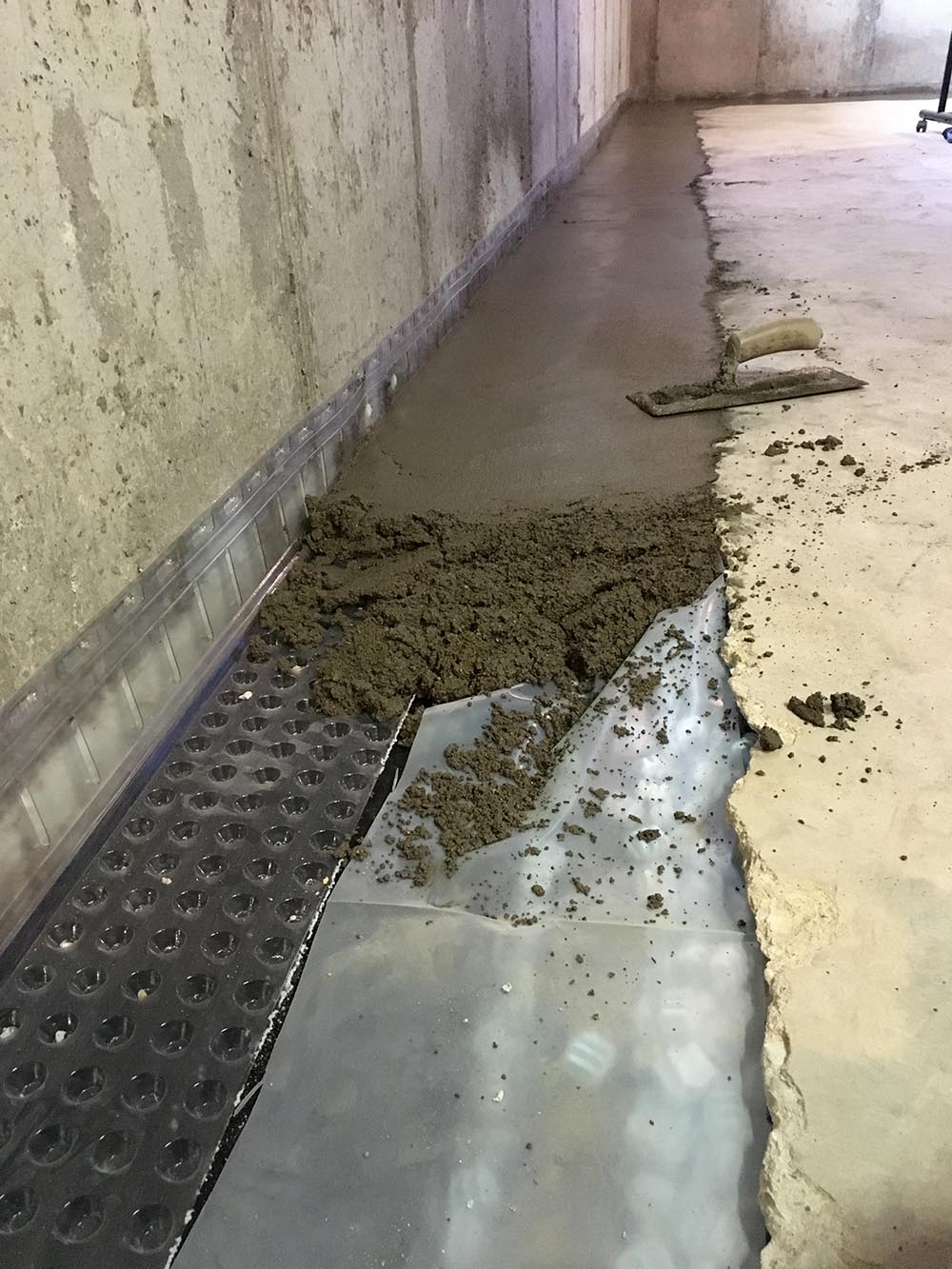
There are various methods of cellar waterproofing, which can generally be categorized into internal and exterior systems. Interior waterproofing centers around sealing and controlling water that enters the basement, often involving the installation of drainage systems, sump pumps, and moisture barriers. External waterproofing, on the other hand, aims to stop water from accessing the cellar in the first place through the installation of drainage systems and waterproof membranes around the foundation. Selecting the right approach is based on the individual needs of your home and the specific water issues you face.
The importance of cellar waterproofing extends beyond just stopping water damage; it also plays a significant role in maintaining the safety of the structure of the home. Water that leaks into the foundation can weaken the walls and flooring, leading to costly repairs over time. Additionally, https://aluneed.ca/ enhances indoor air quality, as surplus moisture can lead to fungal growth growth, which can negatively affect the health of inhabitants. By utilizing proper waterproofing strategies, homeowners can ensure the longevity of their property and provide a safer living environment.
Determining the Appropriate Waterproofing Method
Regarding basement waterproofing, selecting the appropriate technique is crucial for optimal safeguarding against water intrusion. Householders should primarily consider the particular needs of their basement, taking into account factors such as the degree of moisture issues, the age of the home, and the local climate. Interior waterproofing methods, such as coatings and drainage systems, can be effective for insignificant leaks and moisture problems, while outdoor approaches, such as excavation and waterproof membranes, are often more effective for major issues, especially in antique homes where foundational integrity is at risk.
It is crucial to grasp the advantages and disadvantages of different approaches. Indoors waterproofing typically involves less setup labor and can be a more affordable option, but it may not address the root cause of moisture problems, such as inadequate drainage outside the home. On the other hand, outdoor waterproofing provides more thorough solutions by stopping water from reaching the basement walls. However, these techniques can be more invasive and expensive due to the need for digging and setup of drainage systems.
Ultimately, property owners should reflect on speaking with a expert to evaluate their basement's conditions and advise on the best waterproofing method. The right choice can substantially enhance the durability of the home and provide peace of mind, realizing that the basement is protected against water damage and its associated problems.
Care and Supervision of Waterproofing Installations
Suitable upkeep and periodic monitoring of your underground waterproofing system are crucial to maintain its performance over time. Begin by performing surface inspections every few few months, looking for any signs of dampness, fungal growth, or damp spots on ceilings and floors. Look for issues such as fissures in the foundation, which may need to be sealed promptly to avoid moisture incursion. Caring for the outdoor drainage mechanisms, downpipes, and rainwater channels is likewise essential to direct water away from the foundation.
Cleansing and upkeeping any pumping pumps or drainage mechanisms installed as part of the waterproofing process is also important. Make sure sump pumps are working appropriately by evaluating them at least twice a year, ensuring the float mechanism is functioning and that water is being removed properly. If your drainage system includes subsurface drains or additional components, consistently remove obstructions that may block water flow, allowing these systems to perform effectively.
In conclusion, keep an eye on moisture levels in your underground space using a humidity monitor. Ideally humidity should be kept less than 60% to stop fungal development. If you notice increased humidity or wet patches, it may be time to re-evaluate your waterproofing efforts or think about additional steps, such as setting up a dehumidifier. Consistent monitoring and preventative maintenance will help protect the stability of your basement and safeguard your home from potential flooding.